How should you photograph Etsy scented candle listings? A guide to showcasing fragrance, size, and the ideal setting for burning.
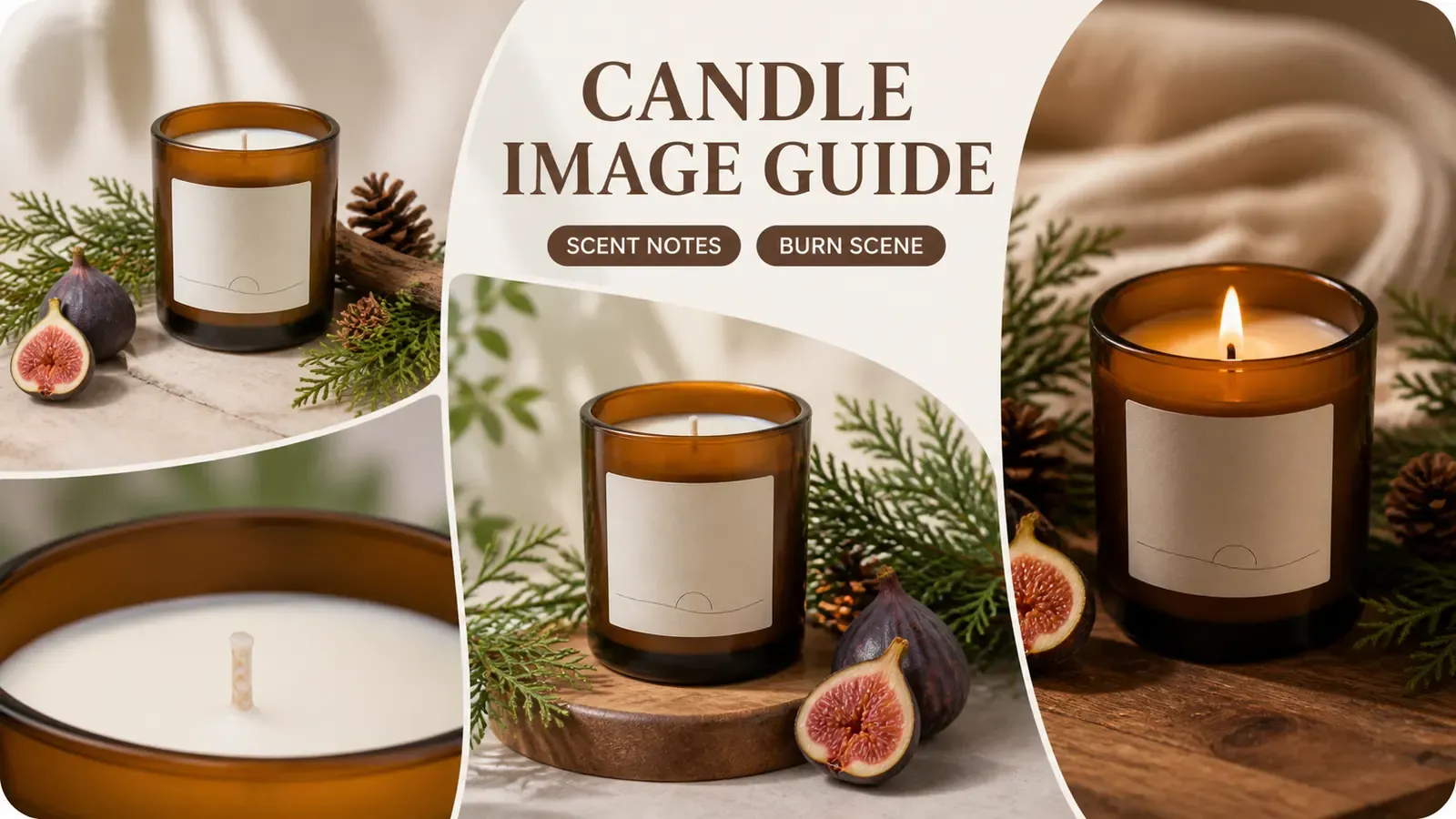
When making Etsy scented candles, it’s easy to fall into the trap of overdoing the ambiance. To make the photos look appealing, sellers often pile on dried flowers, fruits, and spice props, creating a strong visual atmosphere—yet after purchase, buyers end up with many questions: Are pine cones or dried figs shipped along with the order? The items in the pictures seem much larger than what arrives in reality.
Many disputes aren’t about the candle’s actual quality at all; rather, they stem from confusing product images that mix “the actual product,” “fragrance‑related props,” and “included accessories.” Props are meant to enhance the scent experience, not to represent the product’s ingredients; scenes are intended to showcase a home‑like setting, but they shouldn’t distort the real size or appearance of the candle container.
Below is a practical guide outlining Etsy’s complete image‑creation standards for scented candles: front‑page images, fragrance expression, dimensions and capacity, wick details, lighting scenes, and common pitfalls with variations—all designed to minimize buyer misunderstandings and reduce returns.
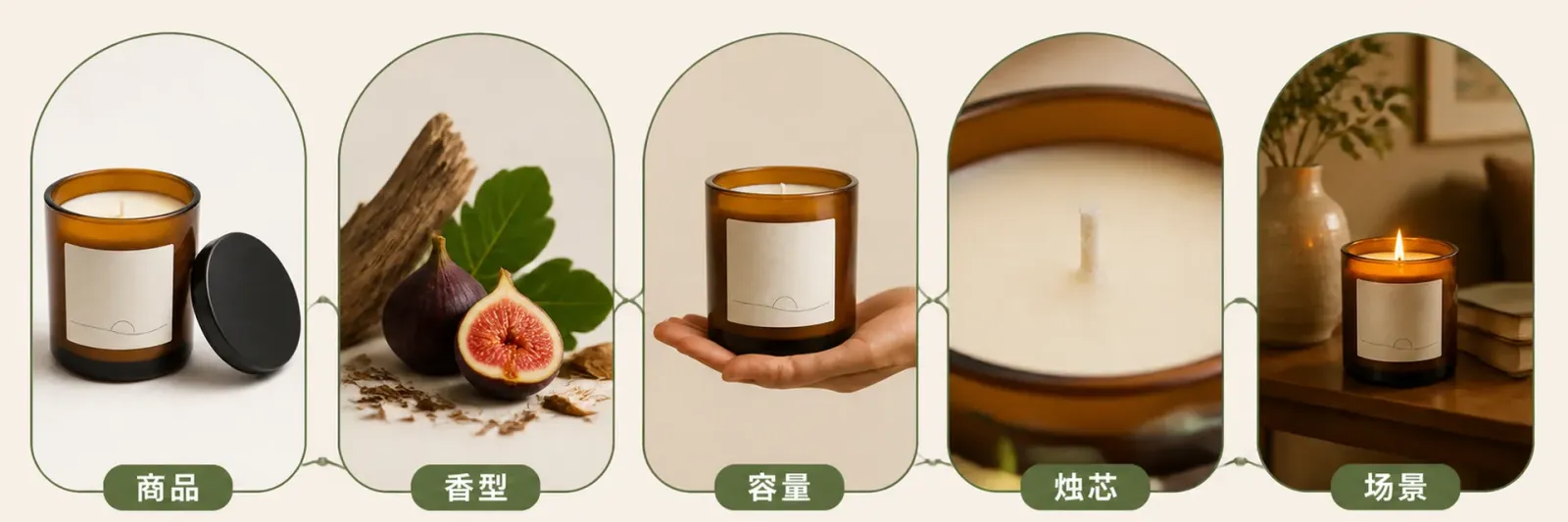
First, clearly identify the candle itself, then add clues about its fragrance, capacity, structure, and usage context.
I. What should and shouldn’t appear in your scented candle’s main image
The main image should first let buyers see the container, wax surface, number of wicks, lid, and label. Decorative items like matches, trays, floral arrangements, or fragrance ingredients should not be placed in front of the main subject. Gift boxes are not automatically included with the order and shouldn’t dominate the frame.
Etsy recommends that sellers prepare a shooting checklist beforehand and clean away dust, fingerprints, and any distractions during the shoot. This is especially important for candles: reflections on the cup walls, wax crumbs, crooked wicks, and air bubbles around labels are best addressed during filming rather than left for post‑production.
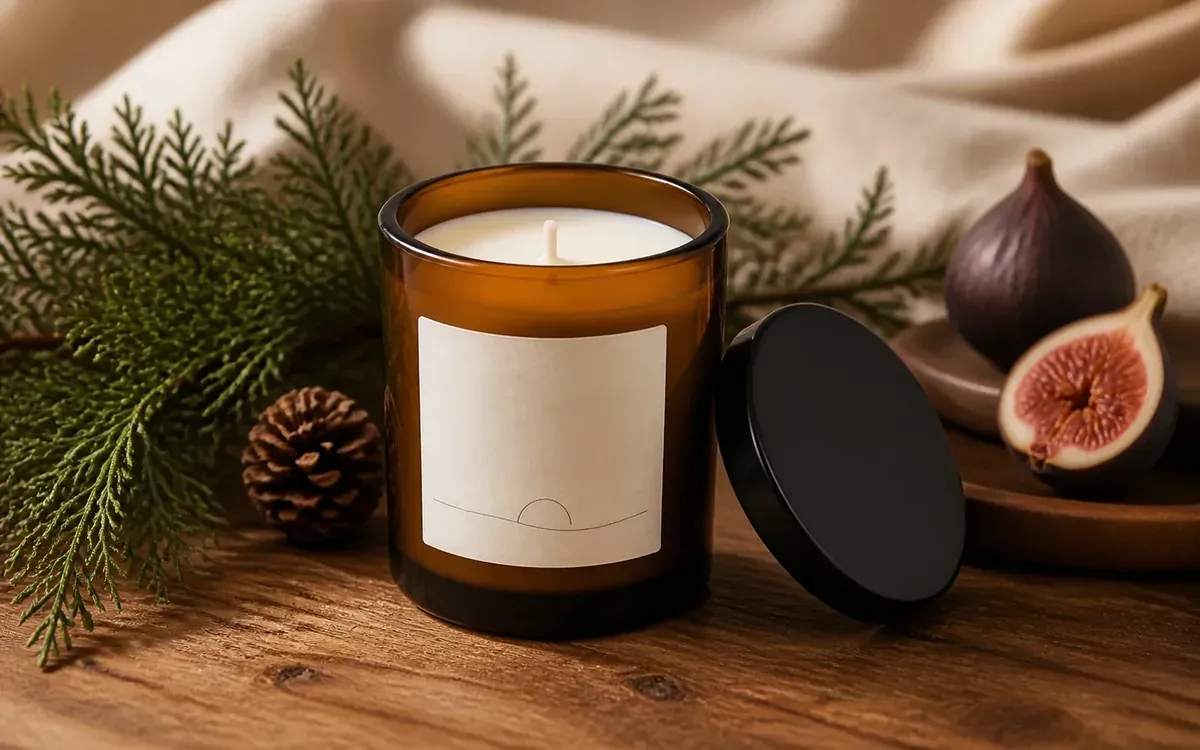
The candle container and lid are what buyers are purchasing; cedar and fig are only used as fragrance cues and should not be counted as part of the included items.
II. How to depict fragrance without turning images into ingredient promises
Fragrance images can use wood pieces, fruits, spices, or plant forms as visual hints—but only elements consistent with the brand’s fragrance description. If the label says “Cedar & Fig,” don’t add citrus, coffee beans, or roses just to enrich the scene, as this could mislead buyers into thinking those are also part of the scent profile.
If an Etsy listing offers multiple fragrance variants, each must have its own dedicated fragrance illustration. When the container, label, wax color, and packaging are identical, a single baseline white‑background image can be shared; fragrance props are merely olfactory associations, not proof of composition. Information regarding natural essential oils, fragrance concentration ratios, or additive‑free claims must come directly from approved documentation.
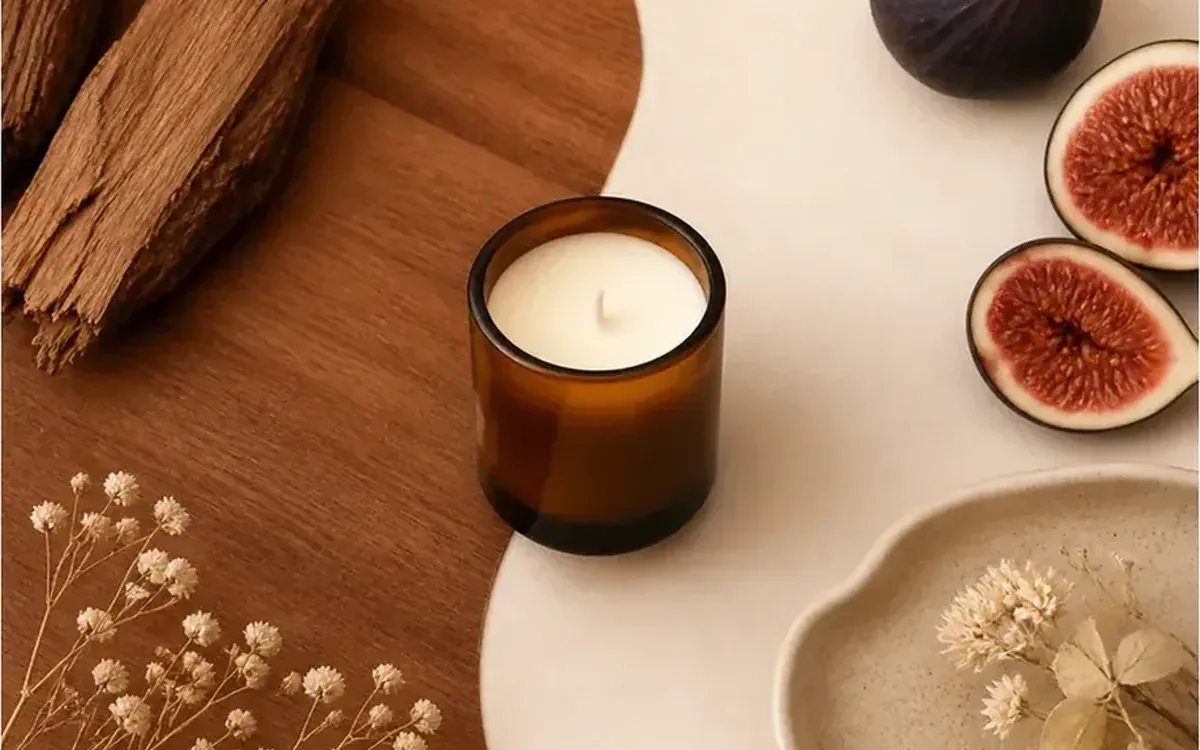
Cedar on the left and fig on the right correspond to their respective approved fragrances; dried flowers and trays are purely decorative and should not be interpreted as fragrance descriptions.
III. Where to place candle capacity and container dimensions in your images
Capacity numbers belong in the specifications or product details section, while images should show the container’s height and width, hand‑holding proportions, and packaging footprint. For containers of different capacities that look similar, always provide separate reference shots—don’t simply scale one single cup.
If you only have a single front‑view image available, you can use to supplement it with additional shots showing the candle against a white background, a flat lay of the fragrance, hand‑holding proportions, and gift‑giving scenarios . Input the front and side views of the container, along with the lid, label, and wax surface references, then verify the final results against the original measurements of the container’s height and width, wax surface height, number of wicks, and label placement.
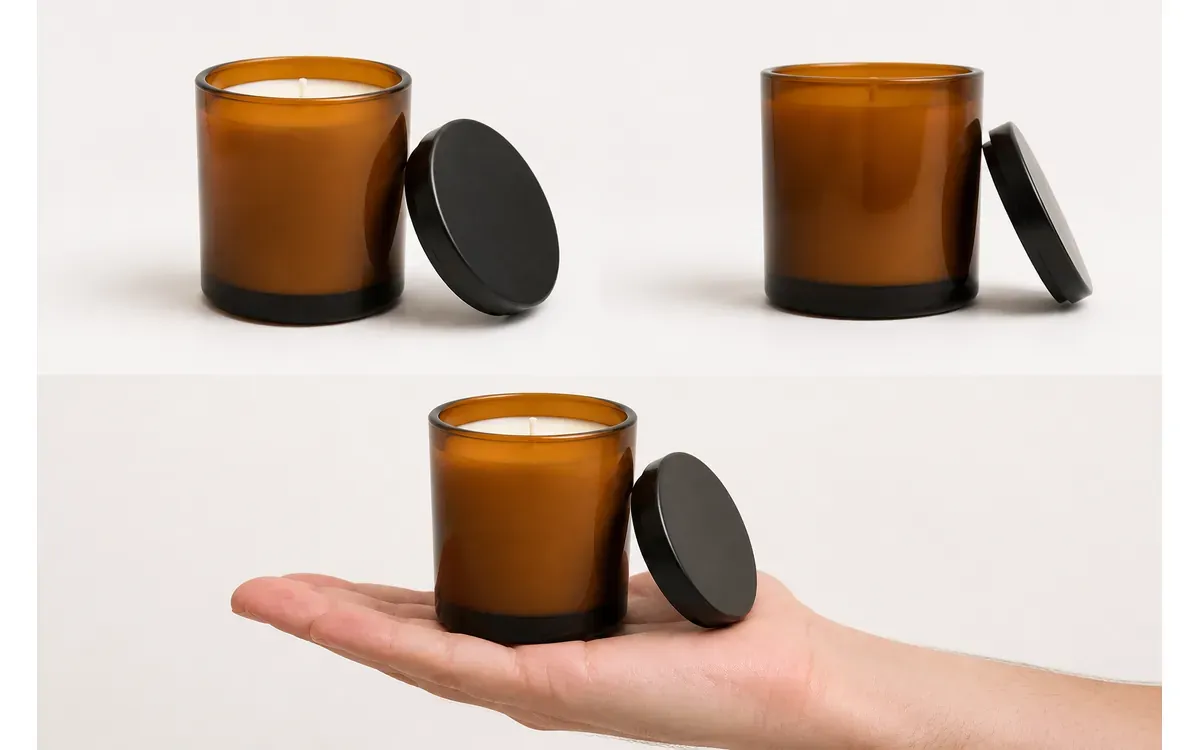
Hand‑holding images help convey the overall size, but capacity figures still follow the current SKU specifications.
IV. How to photograph wicks, wax surfaces, and cup walls convincingly
Whether the wick is centered and the correct number of wicks directly affect the product’s identity. Wooden wicks shouldn’t turn into cotton ones in close‑up shots, nor should double wicks become just a single flame in lit‑up images. Wax color, surface texture, and cup wall materials must match the unlit white‑background image.
Only when dealing with fingerprints on the cup wall, label edges, or background debris can you use to select specific areas like the cup wall, label, and wax surface for localized retouching . If the flame, wick, cup rim thickness, or label text are incorrect, go back to the original product reference and recreate the shot.
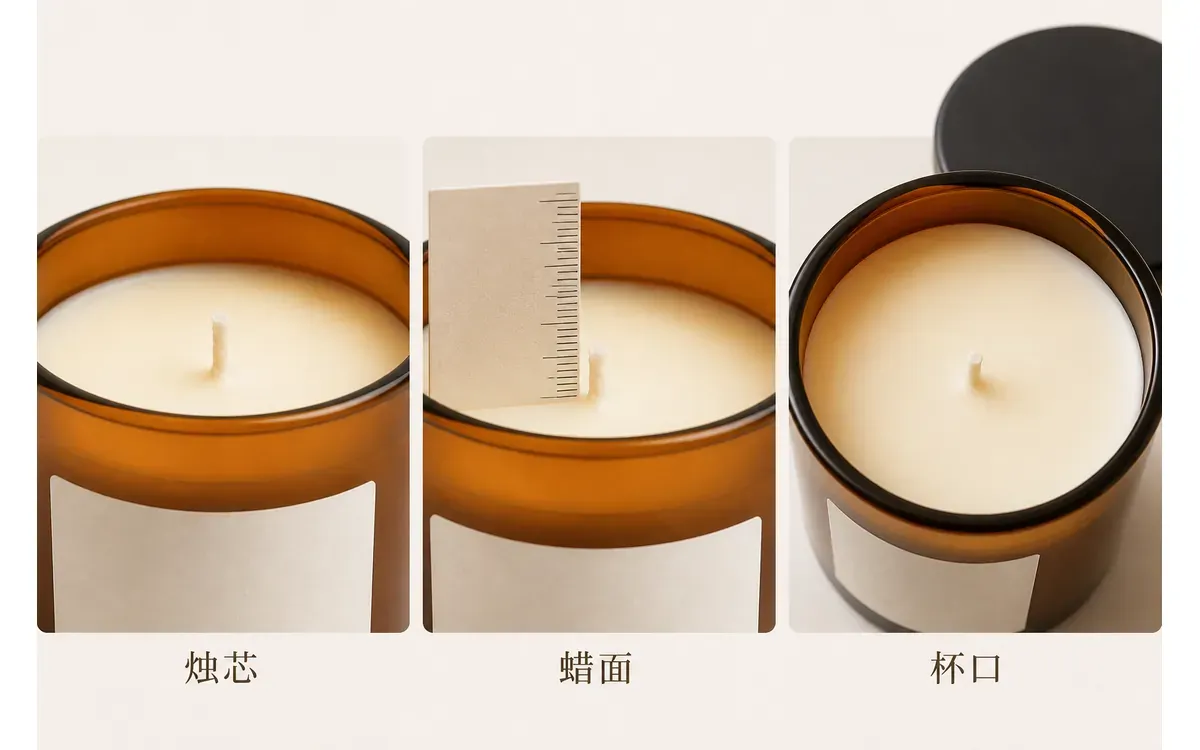
Detail shots are for verifying wicks, wax surfaces, and cup rims—they do not replace combustion testing.
V. Lighting scenes can showcase ambiance but cannot prove burn time
Lit‑up images can display flame position, candlelight color, and surrounding environment, but must maintain safe distances—no dried flowers, curtains, or paper should be too close to the flame. Likewise, glass cups shouldn’t suddenly warp or change color within the same set of images.
When adding scenes, keep the same candle fixed to create bedroom, bathroom, and gift‑giving settings. Burn time, warnings about hot cups, wick trimming, and extinguishing methods should be explained through approved copy or safety diagrams—not replaced by a single lit‑up photo.
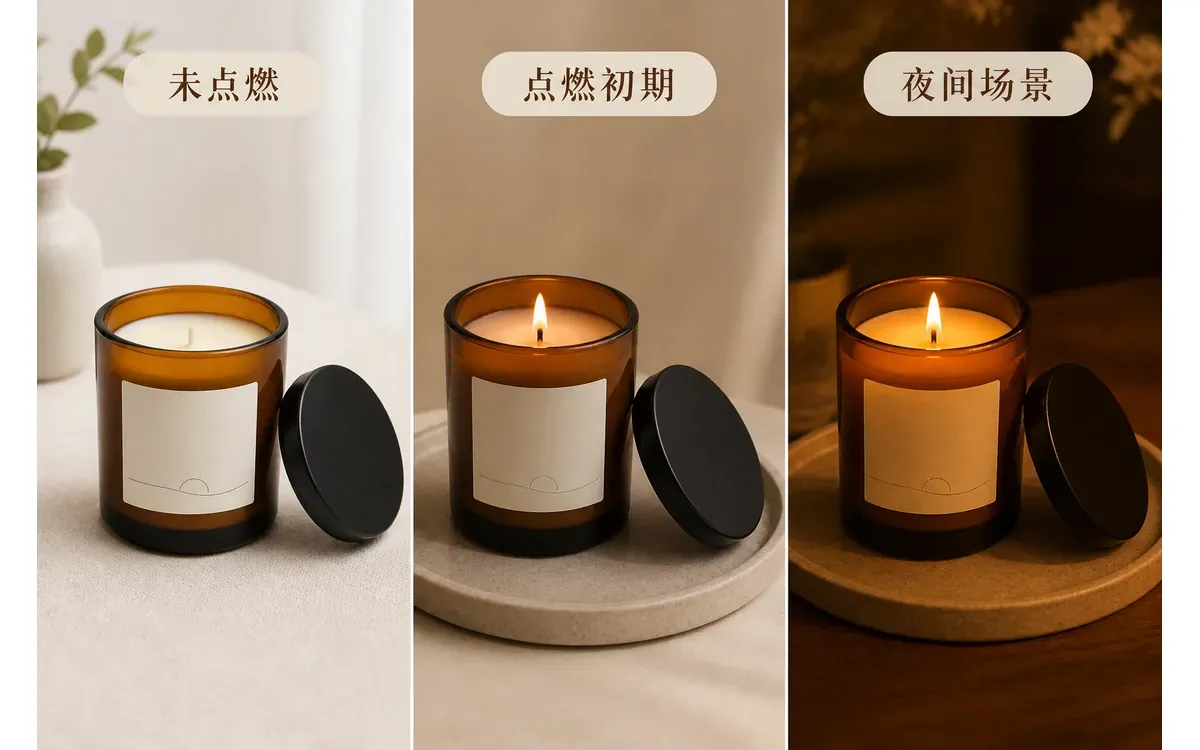
Only adjust lighting and ignition conditions; keep the container shape, label, wick, and lid unchanged.
VI. Common issues with Etsy scented candle product images
1. Can the same container type with multiple fragrances share a single front‑page image?
If the label, wax color, and packaging are identical, only differing in fragrance options, a single standard cup‑shape image can be used. If the fragrance, label, or packaging varies, provide corresponding images for each variant.
2. If there is slight frosting or color variation on the candle’s surface, does it need to be completely removed?
First, confirm whether this falls within the normal, permissible batch variations for that type of wax. If the brand chooses to retain such differences, they should be accurately depicted within the specified range; do not alter a single sample into a uniform appearance that no batch could achieve.
3. On which page should the image of the wax pool after lighting be placed?
Complete the information on unlit products, packaging contents, and dimensions first, then add images showing the product in its burned state. The liquid wax surface formed when the candle is lit is called the “wax pool.” Wax‑pool images must reflect the brand‑specified burning conditions and should not imply unverified burn times or fragrance intensities.

AI Image Tool Built for E-commerce Teams
For new product launches, advertising, and promotional campaigns, use AI to generate product images, scene visuals, ad creatives, and short video assets — making content production faster.