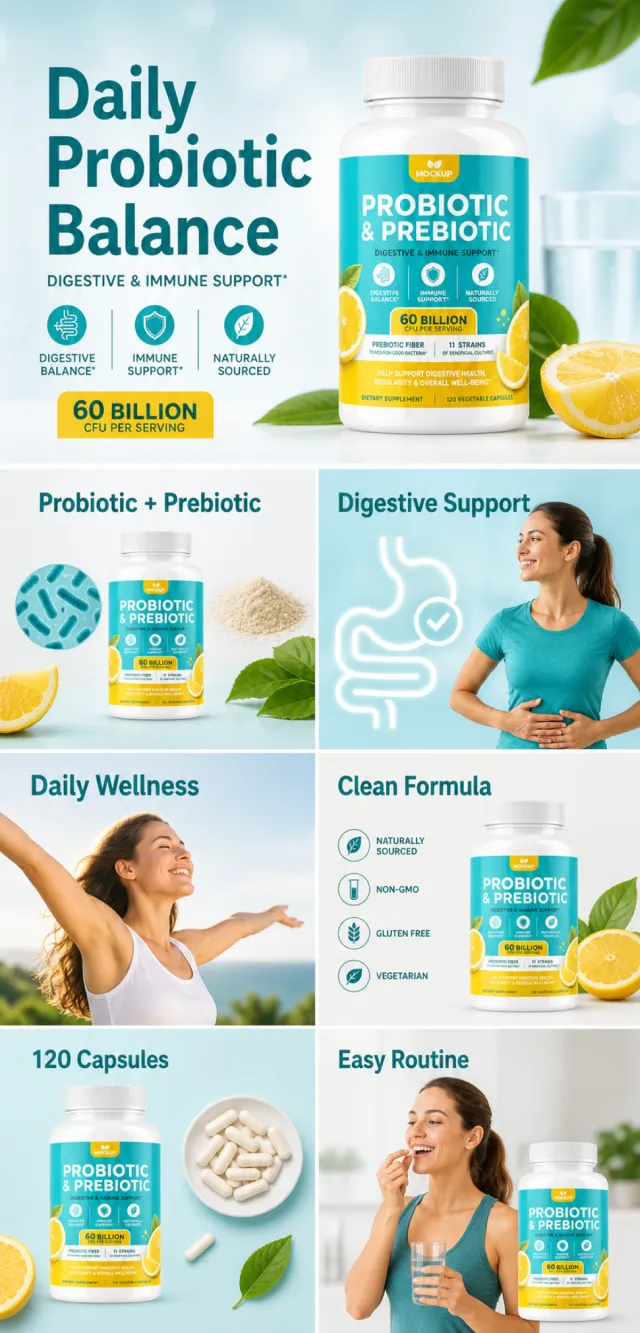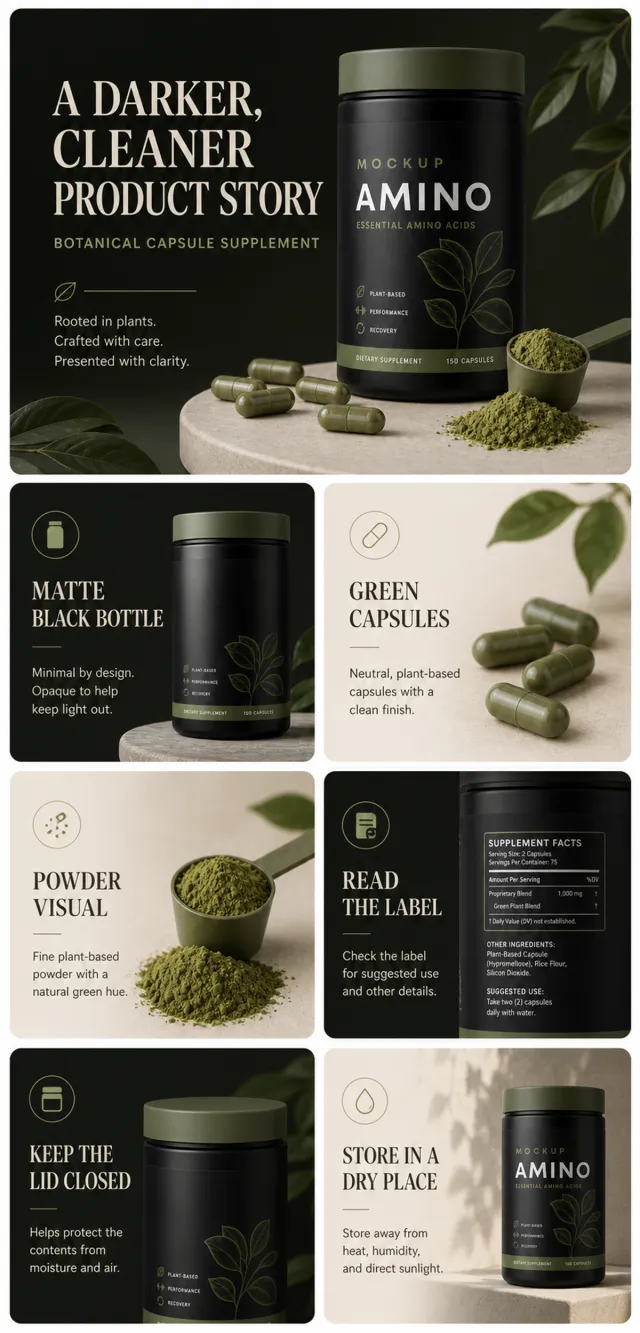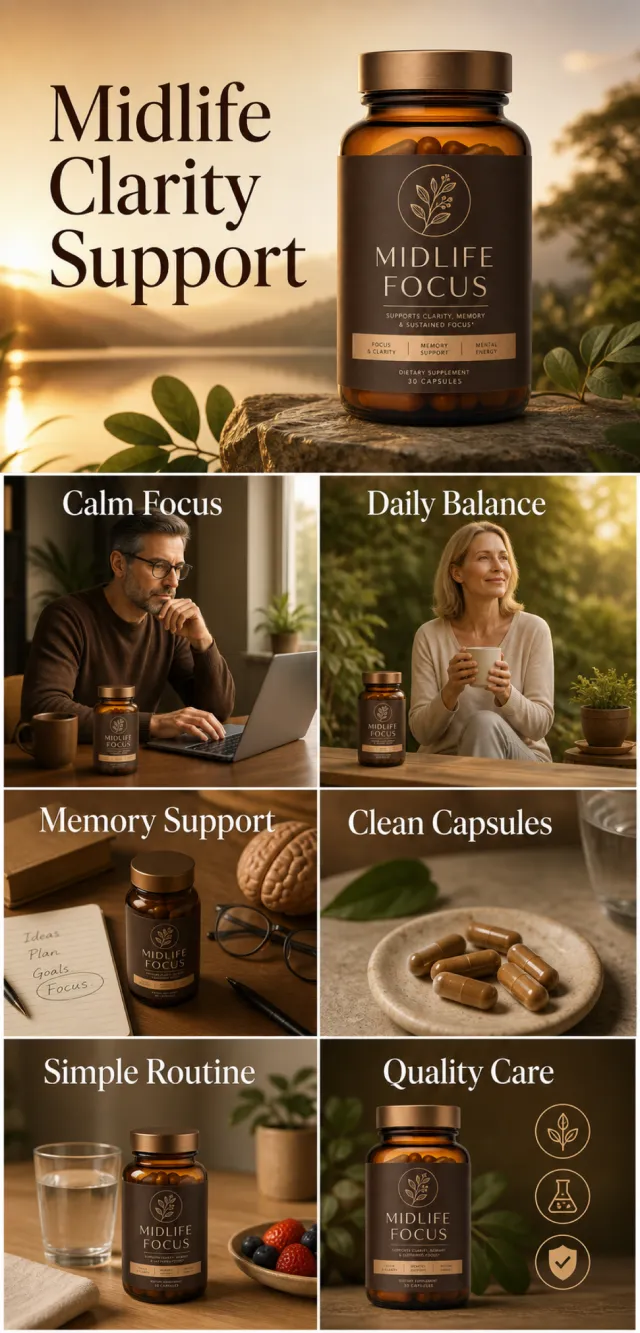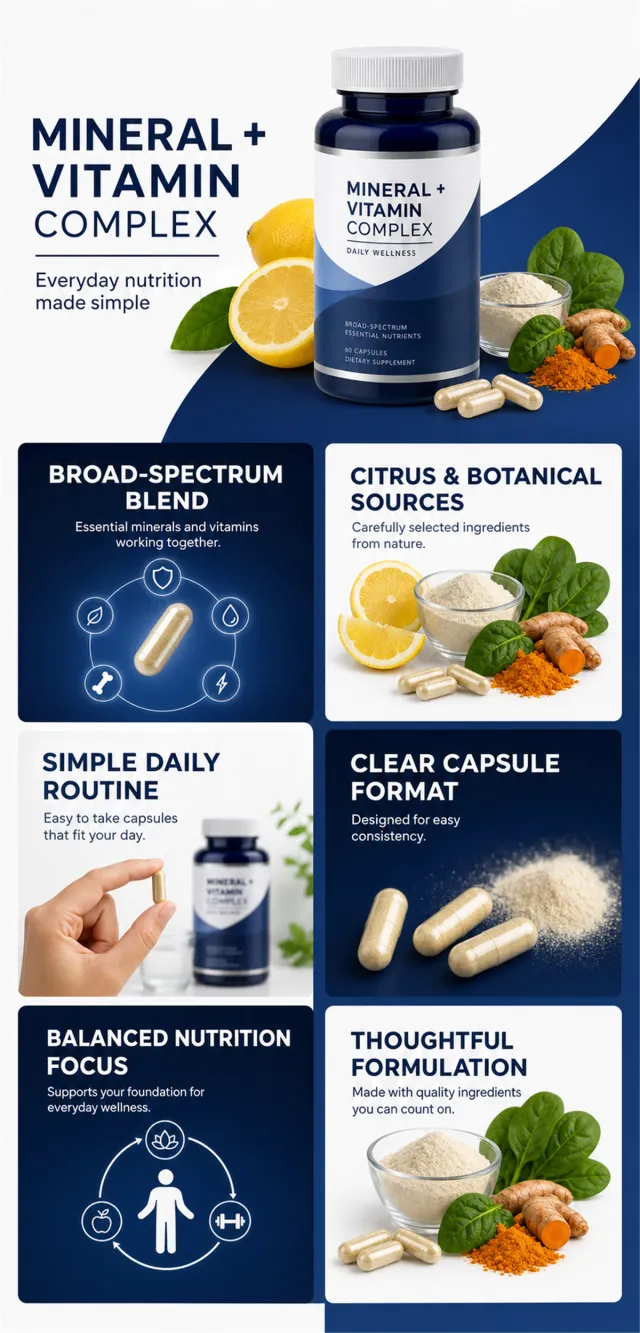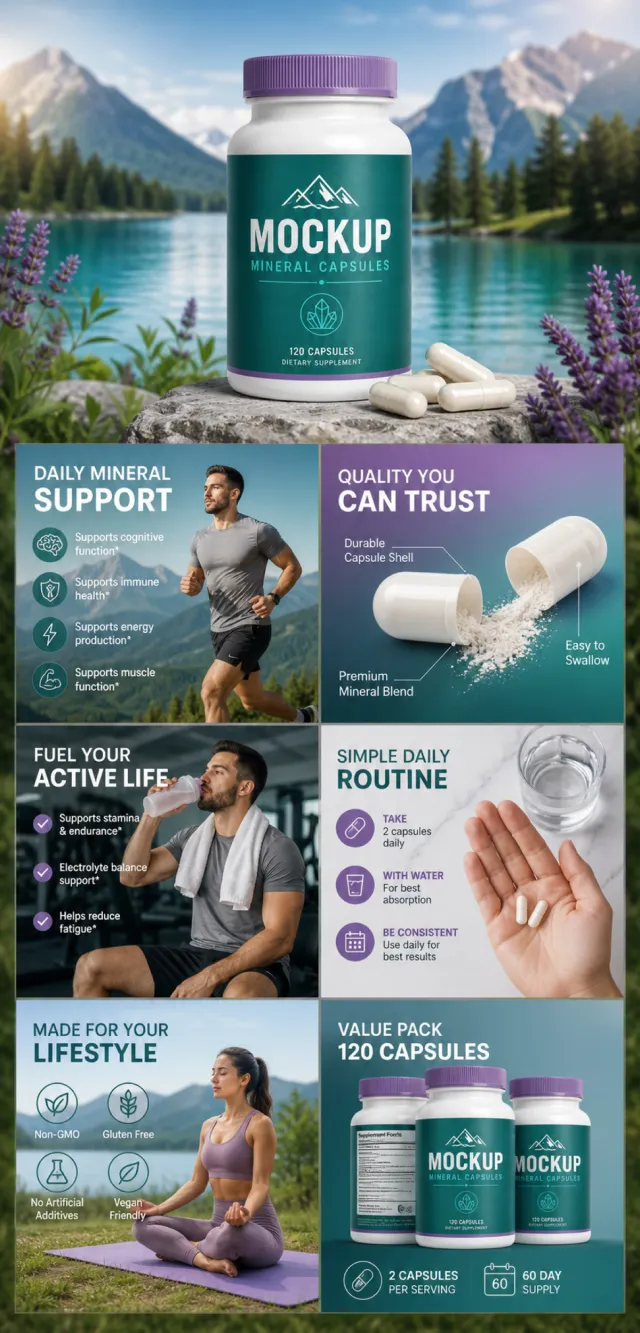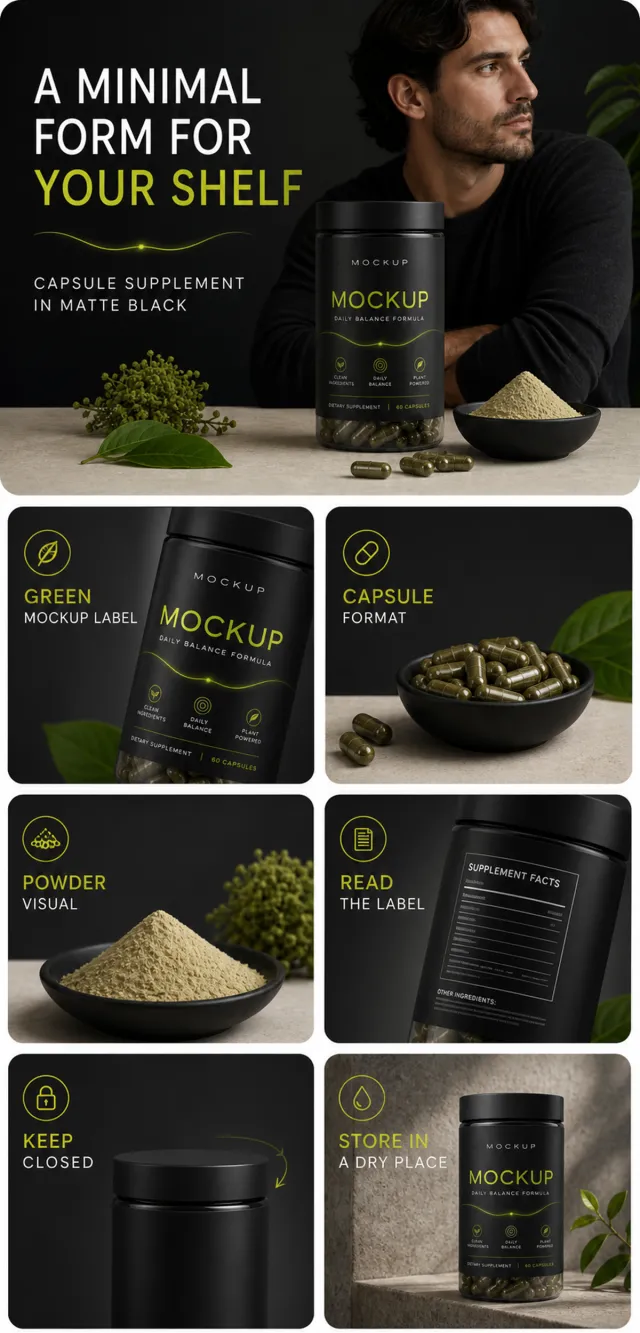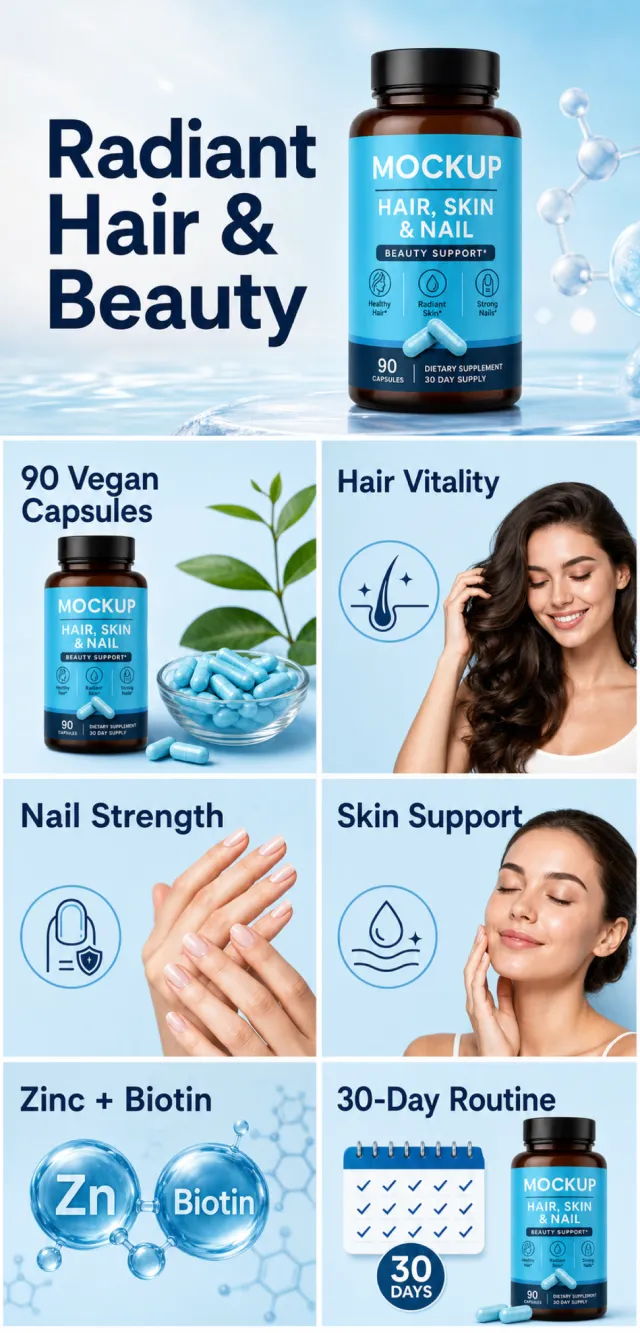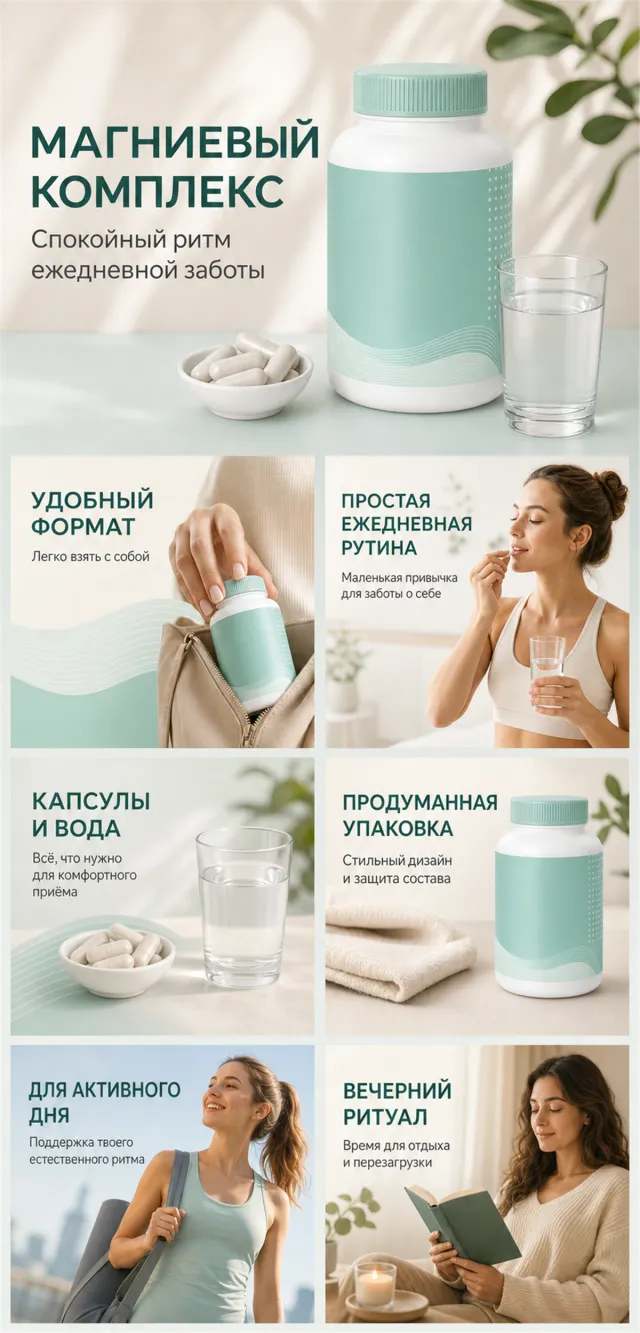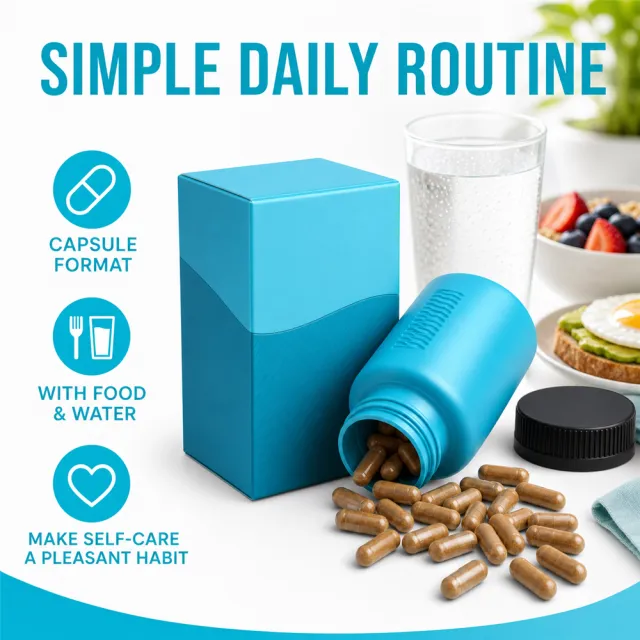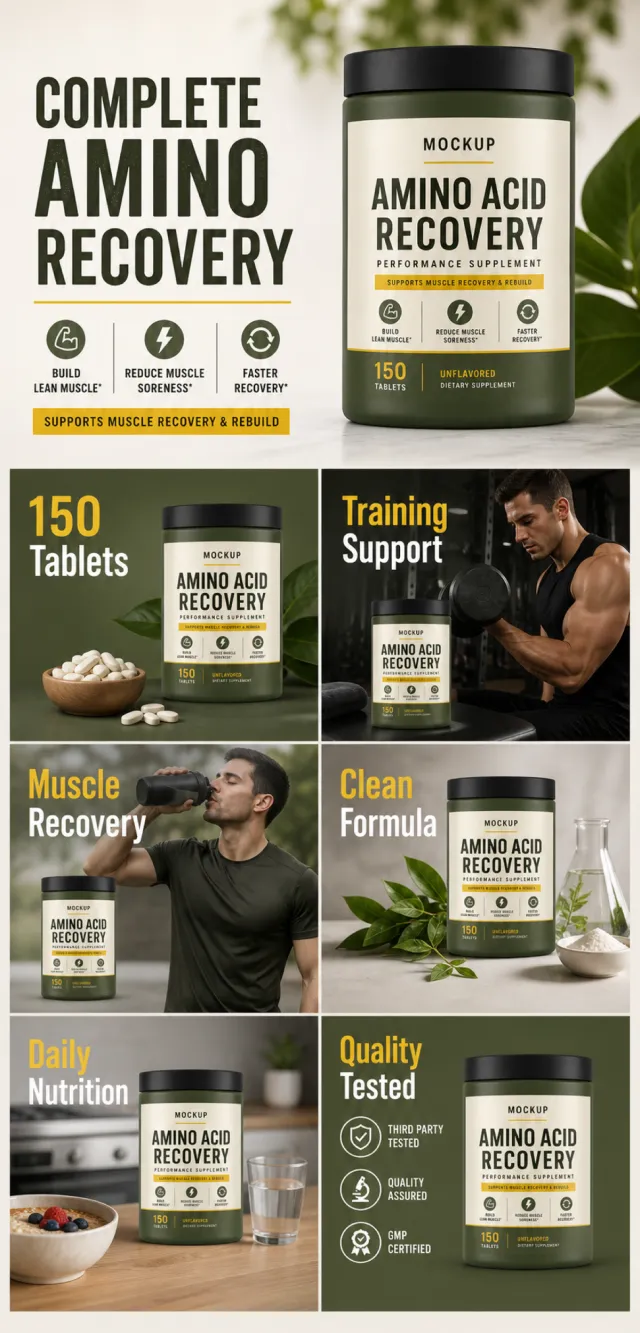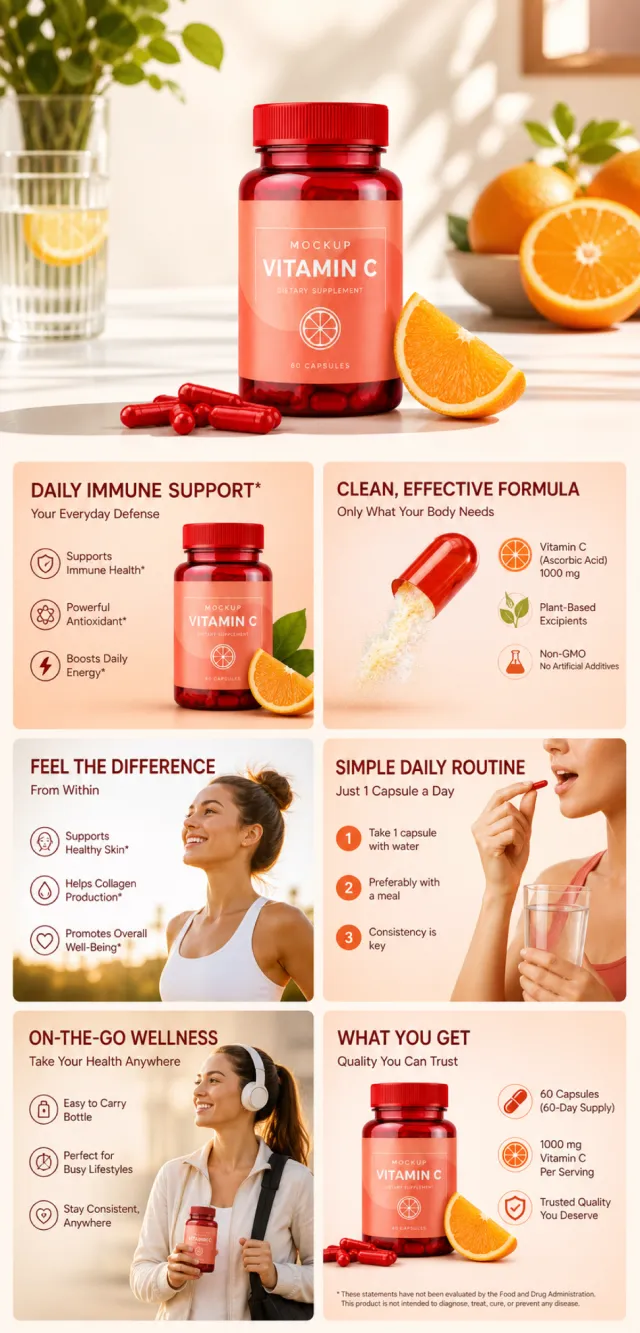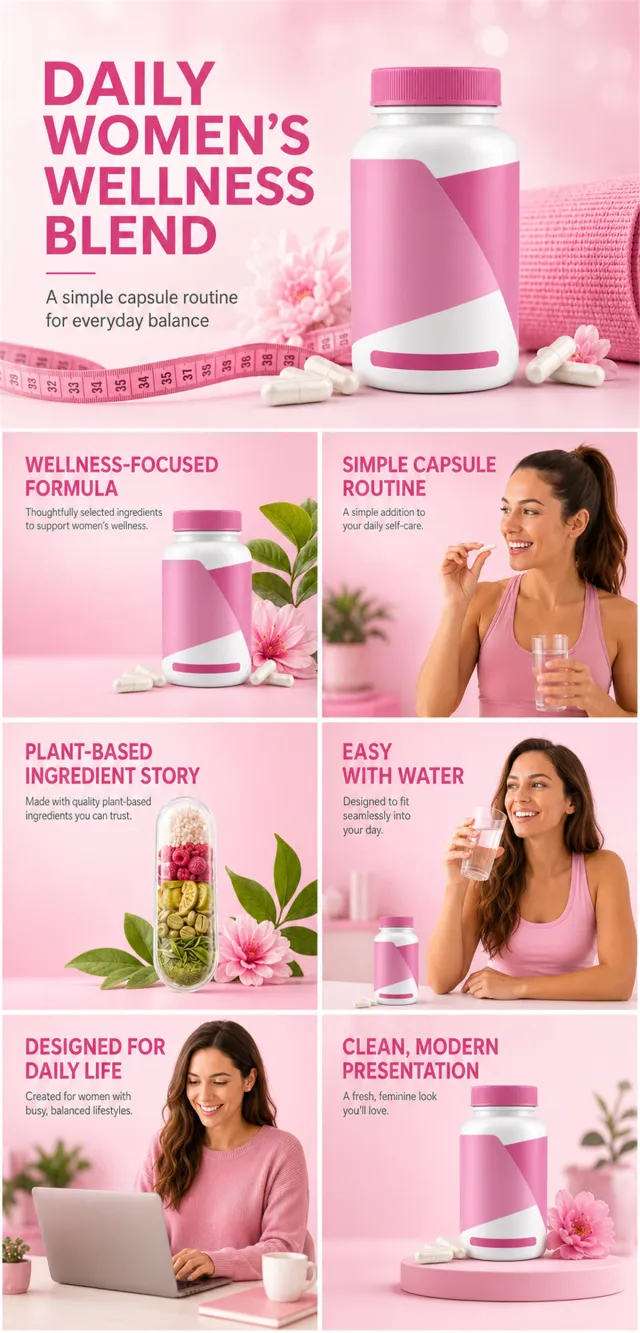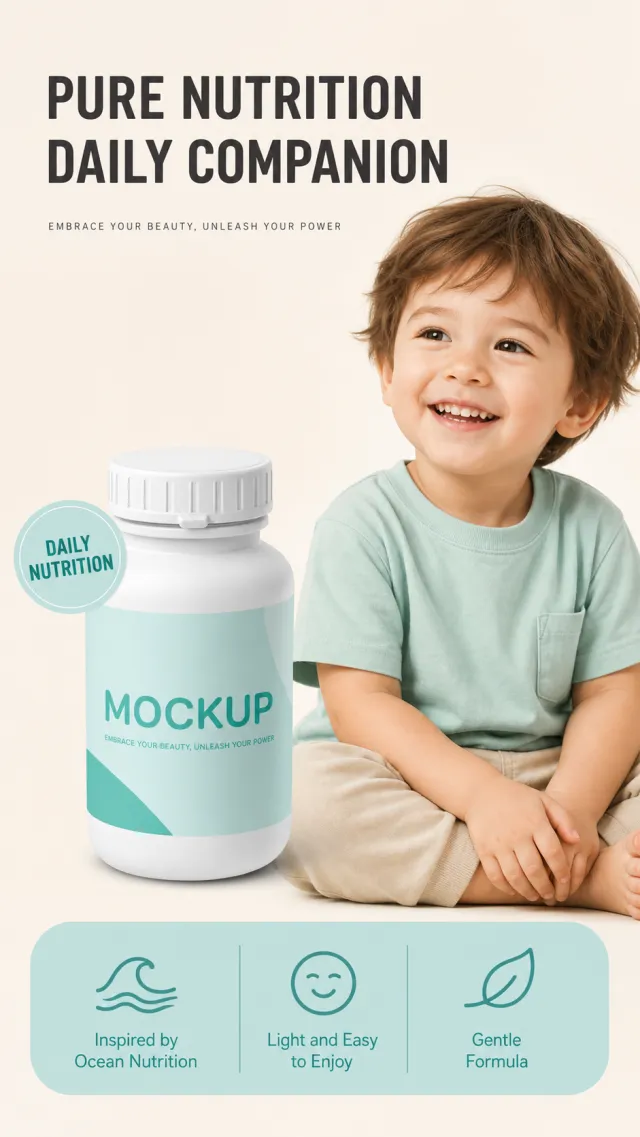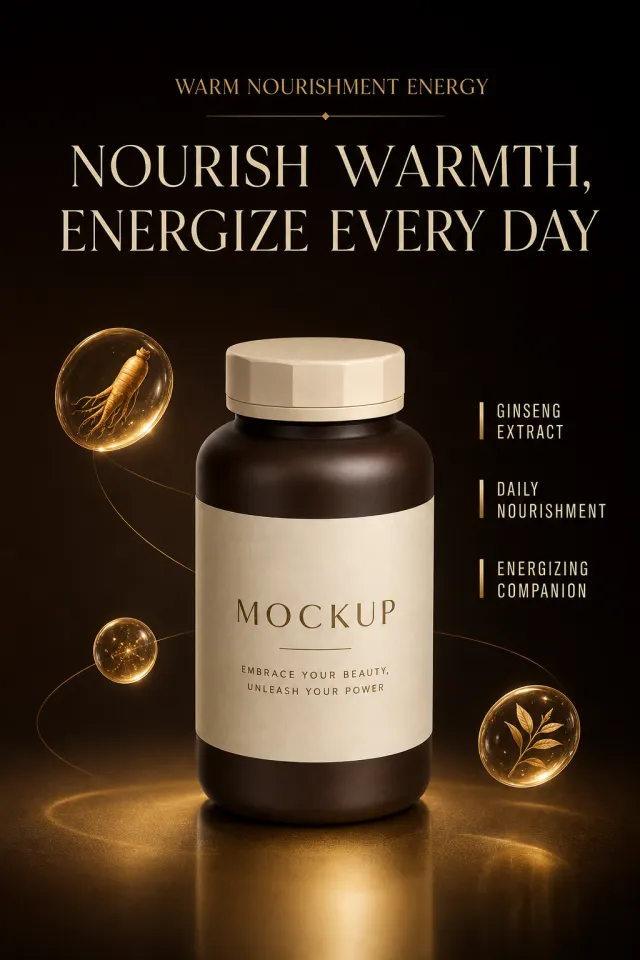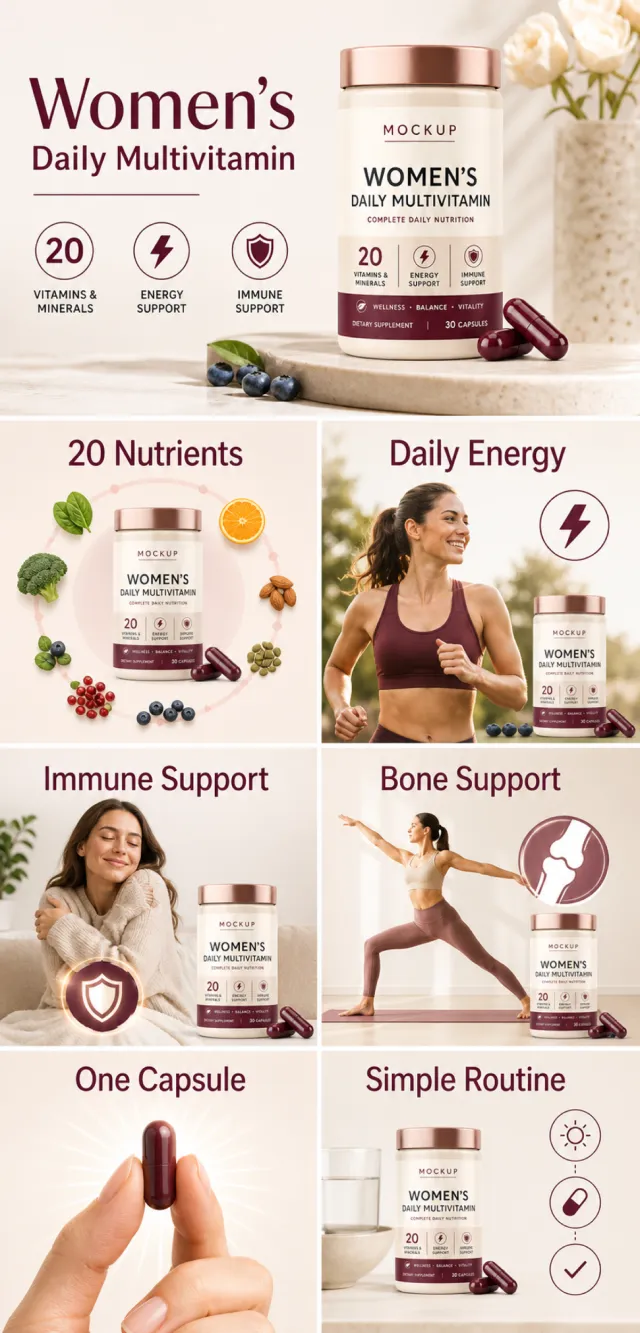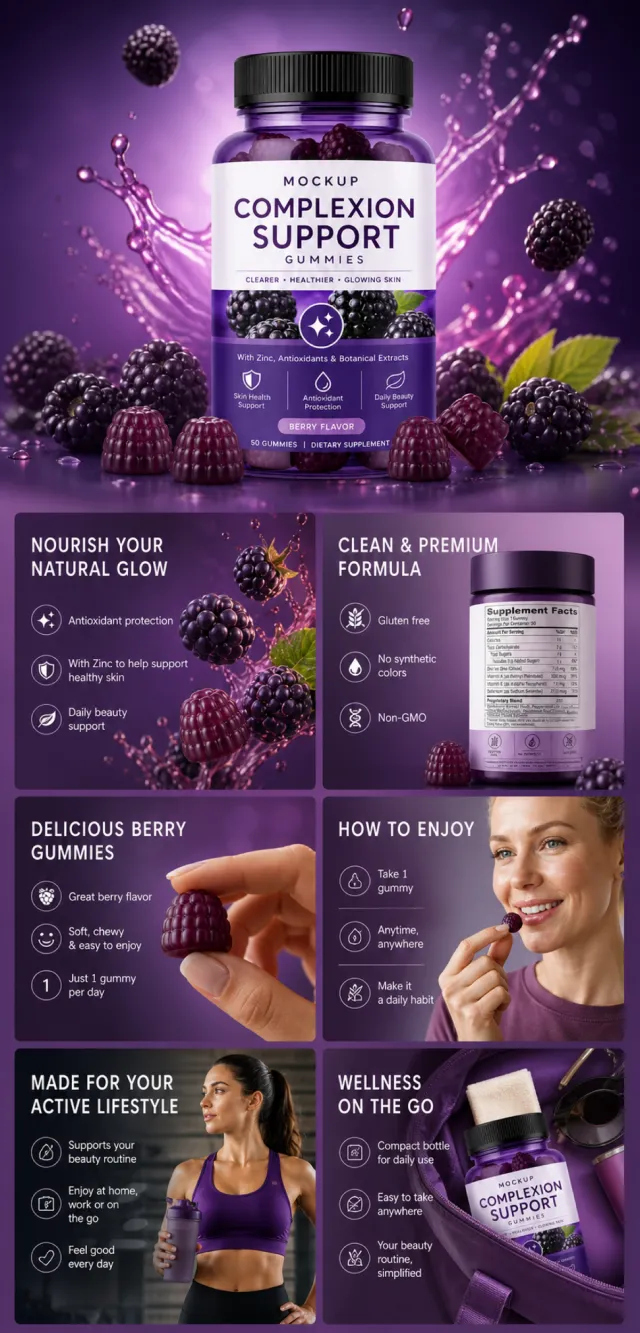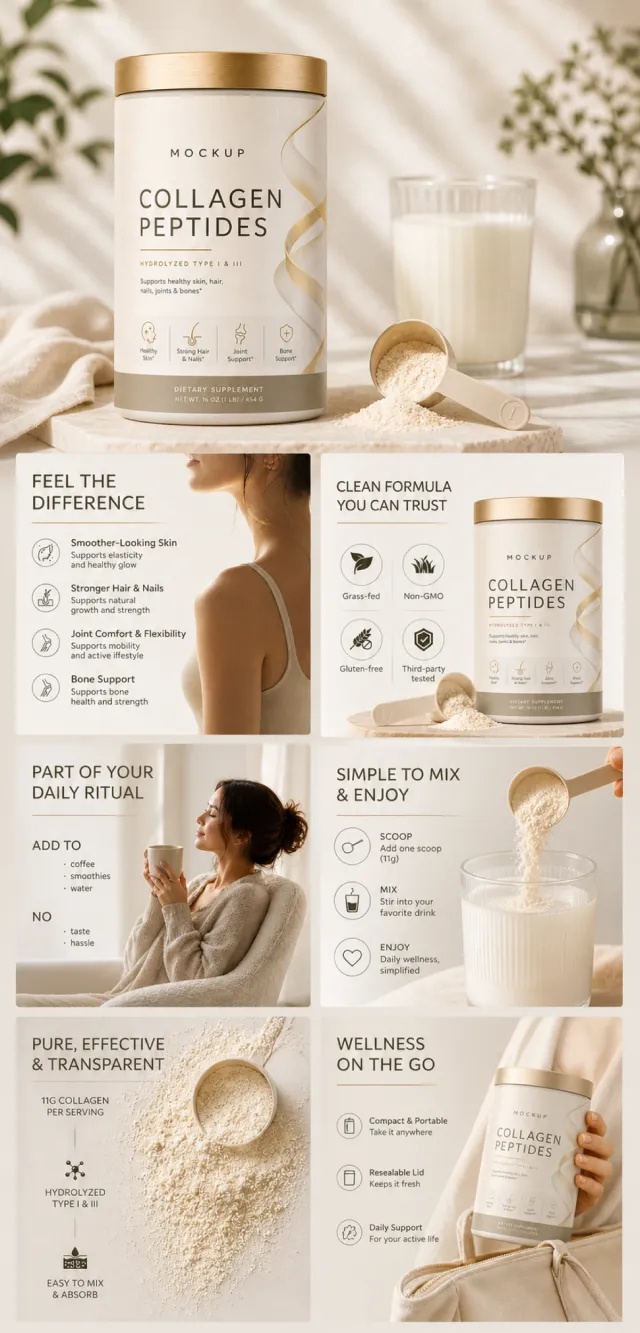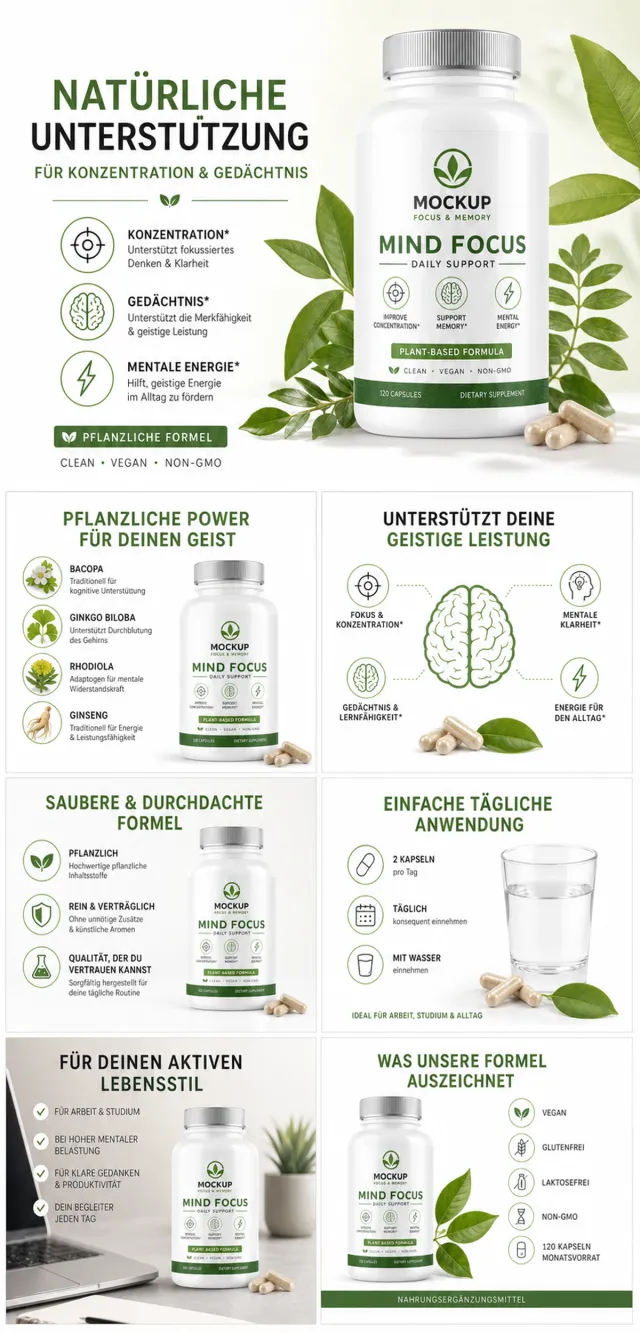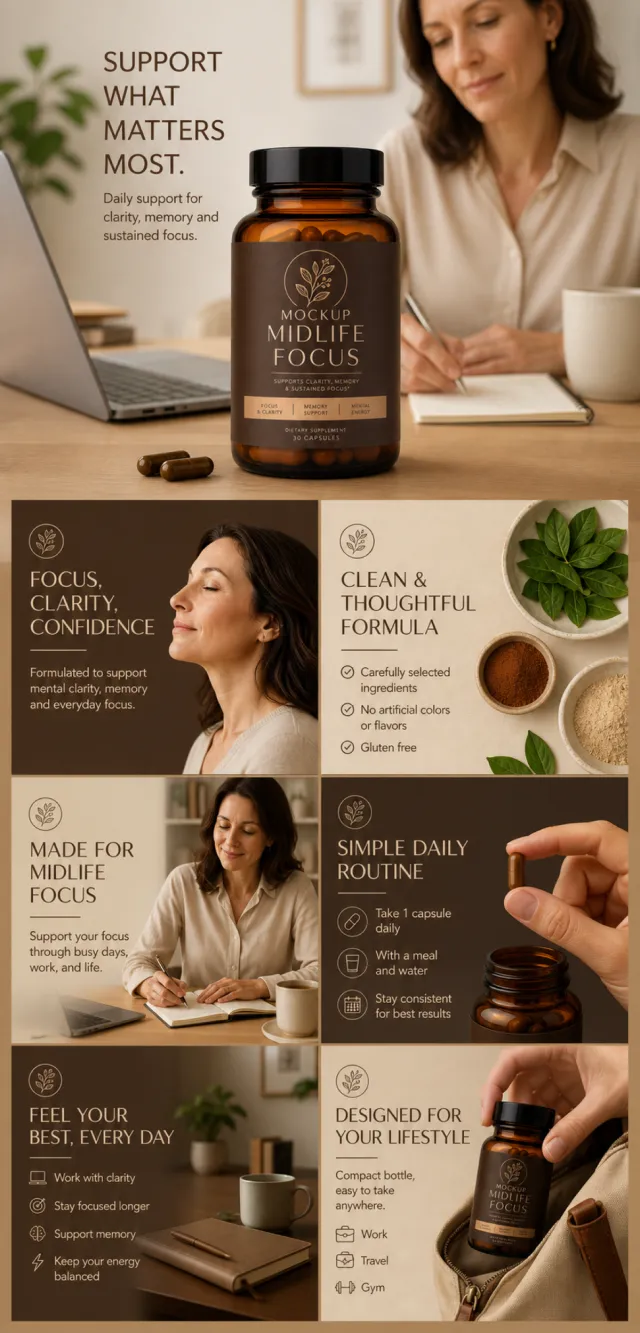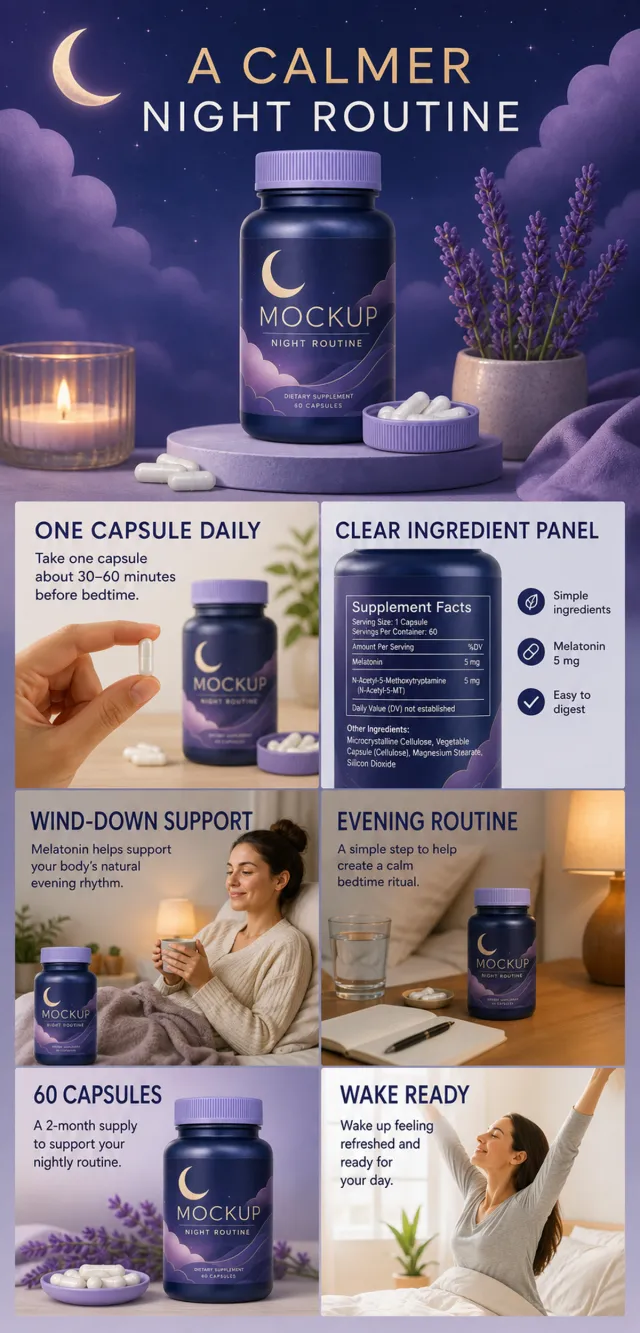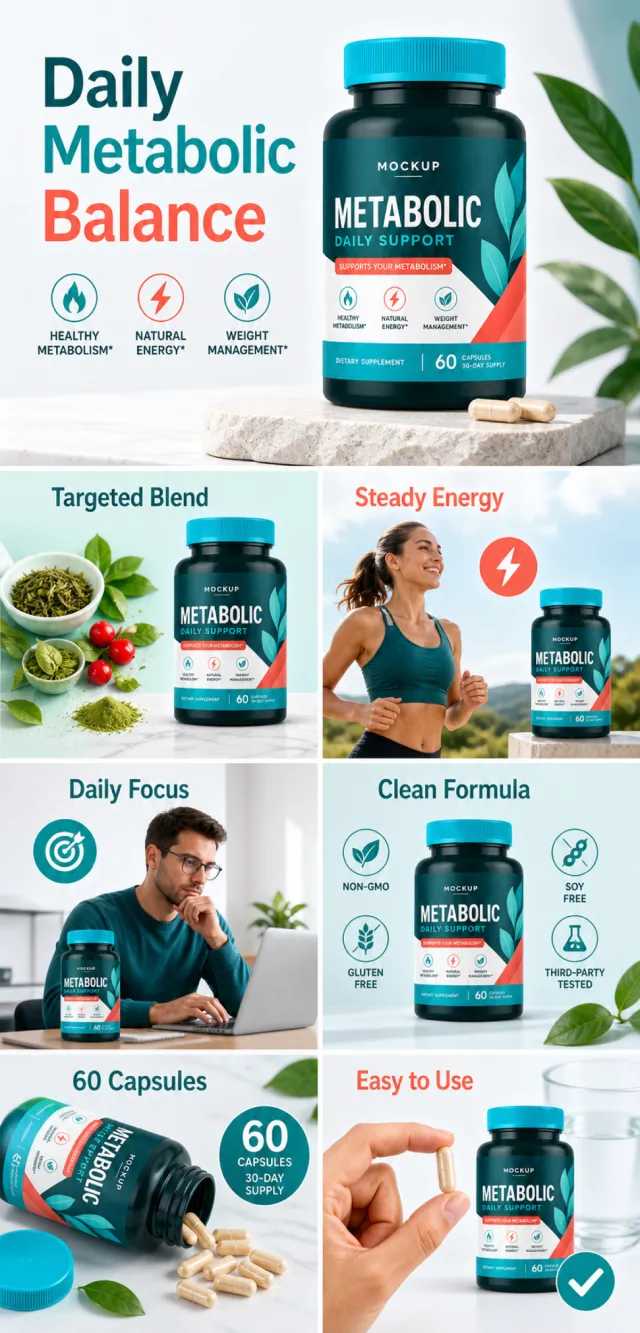
【Execution Routing | Do Not Display】 If the image-generation tool can be invoked multiple times: concatenate the sharing rules with A–F separately, execute six times, generating one 1000×1000 square image each time; do not submit all modules at once. If only one image can be generated per run: set the interface or API to a 2:3 portrait orientation and disable Auto; recommend 1200×1800. Arrange A/B, C/D, and E/F into a 2-column × 3-row grid of six modules, ensuring equal size and maintaining a 1:1 aspect ratio. If the platform enforces a 1:1 ratio, switch to using an Agent or generate each module individually. 【Sharing Rules】 Use the provided product reference image as the sole basis for the product. Product: daily metabolic support capsule supplement. Copywriting must be in English, with brand placeholders replaced by MOCKUP only. Visuals should incorporate teal, turquoise, coral, and white. The product’s appearance, structure, colors, quantity, accessories, and relative proportions must match the reference image; products, figures, icons, and props should maintain natural proportions. All essential information must remain within the safe zone, with the background extending fully across all four edges. Prohibit outer white borders, vertical sidebars, transparent fill-in areas, watermarks, contact details, social media accounts, platform information, original branding, gibberish, irrelevant content, or unverified claims regarding efficacy or specifications; control titles must not appear. A–F must not be displayed. 【A|Theme】Copy: “Daily Metabolic Balance”; use the full product main visual to prominently convey core value. 【B|Theme】Copy: “Targeted Blend”; design an independent square image around this copy, ensuring no overlap in selling points, composition, or product angles with other modules. 【C|Theme】Copy: “Steady Energy”; design an independent square image around this copy, ensuring no overlap in selling points, composition, or product angles with other modules. 【D|Theme】Copy: “Daily Focus”; design an independent square image around this copy, ensuring no overlap in selling points, composition, or product angles with other modules. 【E|Theme】Copy: “Clean Formula”; design an independent square image around this copy, ensuring no overlap in selling points, composition, or product angles with other modules. 【F|Theme】Copy: “60 Capsules”; “Easy to Use”; design an independent square image around this copy, ensuring no overlap in selling points, composition, or product angles with other modules.